

Plastic Bag Price 2026: How the War Is Driving Costs Up and What Buyers Should Expect
The global plastic bag market in April 2026 is facing significant price volatility, with costs rising sharply across all major regions. For importers, distributors, and packaging companies, this sudden increase is creating serious challenges in cost control and supply planning.
The main reason behind this surge is not demand growth—but geopolitics. The ongoing conflict in the Middle East has disrupted oil supply chains, directly impacting polyethylene production, the key raw material used in plastic bags.
This article will explain why plastic bag prices are increasing in 2026, how the war is affecting the market, and whether prices are expected to go down in the coming months.
Why Plastic Bag Prices Are Rising in 2026
Contents
Plastic bags, including LDPE bags, HDPE bags, and food storage bags, are manufactured primarily from polyethylene (PE), a material derived from crude oil and natural gas. Any disruption in energy markets will immediately affect plastic production costs.
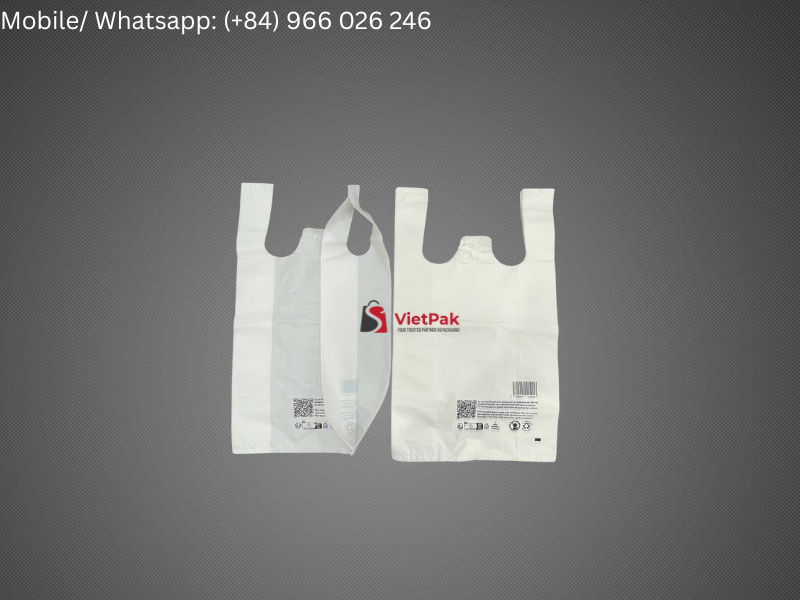
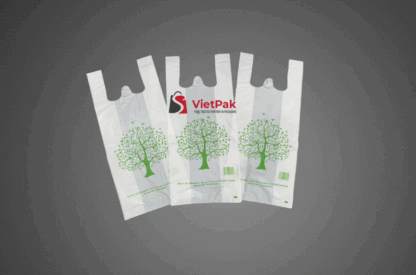
recycle HDPE plastic bag
In April 2026, three major factors are driving the increase in plastic bag prices.
1. Rising Crude Oil Prices
The ongoing war has created instability in key oil-producing regions, especially in the Middle East. This has pushed crude oil prices significantly higher, increasing production costs across the entire petrochemical industry. Since polyethylene is produced from oil-based feedstock, higher crude oil prices directly lead to:
- Increased resin production costs
- Higher manufacturing expenses
- Rising transportation and logistics costs
As a result, plastic bag manufacturers worldwide are forced to raise prices to maintain margins.
2. Polyethylene (PE) Supply Shortage
Another critical factor behind the plastic bag price increase in 2026 is the shortage of polyethylene resin.
Due to the war:
- Petrochemical plants are facing limited feedstock supply
- Export volumes from key regions have dropped
- This has created a supply-demand imbalance in the global resin market. In some regions, polyethylene prices have increased by 40% to 70% compared to late 2025 levels.
For plastic bag manufacturers, raw material typically accounts for the largest portion of total production cost. When resin prices surge, the final product price inevitably follows.
3. Supply Chain and Logistics Disruptions
In addition to raw material issues, global logistics are also being affected.
Shipping routes are becoming less stable, and freight costs have increased due to:
- Higher fuel prices
- Security risks in key trade routes
- Delays in cargo movement
These disruptions lead to:
- Longer delivery times
- Increased inventory risks
- Additional costs passed on to buyers
- Even when demand remains stable, supply chain disruptions alone are enough to push plastic bag prices higher.
How the War Have Impacts Plastic Bag Prices?
The relationship between geopolitical conflict and plastic bag prices can be clearly understood through a chain reaction within the global supply system. When war breaks out, it disrupts oil supply, which in turn leads to shortages in petrochemical materials. This shortage pushes resin prices higher, and ultimately results in increased plastic bag prices. Each stage in this chain is closely interconnected, meaning that any disruption at the source quickly spreads throughout the entire industry.
The Middle East plays a particularly critical role in global petrochemical supply, as it is one of the largest producers and exporters of both crude oil and petrochemical derivatives. Any instability in this region does not only drive up oil prices but also directly affects the availability of essential raw materials used in plastic production, such as polyethylene and polypropylene. As supply becomes more constrained, manufacturers around the world are forced to compete for limited resources, further driving up costs.
Countries in Asia, including Vietnam, are especially vulnerable to these disruptions due to their heavy reliance on imported raw materials. When supply chains are affected, local manufacturers must deal with significantly higher input costs, which directly impact their production expenses. At the same time, limited availability of raw materials can reduce production capacity, making it harder for suppliers to meet demand. In addition, the overall market becomes more unstable, with frequent price fluctuations that create uncertainty for both manufacturers and buyers.
As a result, plastic bag prices in Vietnam and across other Asian markets are closely tied to global geopolitical developments. Any changes in the international situation, particularly those affecting oil and petrochemical supply, can quickly influence local pricing. This strong dependency makes it essential for businesses to closely monitor global events in order to better anticipate market movements and adjust their purchasing strategies accordingly.
What Is Plastic Bag Price Trend in April 2026?
As of April 2026, the plastic bag market is showing a clear upward trend, driven largely by rising raw material costs and ongoing supply disruptions. Polyethylene (PE) prices have increased significantly, while polypropylene (PP) prices are also continuing to climb. As a result, finished plastic bag prices have risen by approximately 10% to 30% in many markets. In certain cases, depending on the material type, thickness, and product specifications, the price increase can be even higher, creating additional pressure for buyers and importers.
One of the most common concerns among buyers is whether plastic bag prices will decrease in 2026. In reality, the answer depends largely on how the geopolitical situation evolves in the coming months. Different scenarios could lead to very different outcomes for the market.
In the first and most likely short-term scenario, if the conflict continues over the next few months, oil prices are expected to remain high while resin supply stays limited. At the same time, logistics disruptions such as shipping delays and increased freight costs are likely to persist. Under these conditions, plastic bag prices are expected to remain at elevated levels and may continue to increase gradually. Therefore, in the short term, particularly over the next two to three months, it is unlikely that prices will go down.
In a more optimistic scenario, if the conflict begins to stabilize and supply chains start to recover, the situation could improve. Oil prices may stabilize, petrochemical production could increase, and shipping conditions may gradually return to normal. However, even in this case, price reductions will not happen immediately. The market typically requires a lag period of around two to four months to adjust, as existing inventories are consumed and new contracts reflect lower raw material costs.
Another possible scenario is a slowdown in global demand. High oil prices often lead to inflation, which can reduce consumer spending and overall economic activity. If this happens, demand for packaging products, including plastic bags, may decrease. This could eventually lead to excess supply in the market and put downward pressure on prices. However, this scenario is more likely to occur in the later part of 2026 rather than in the immediate future.
Looking at the broader market outlook, the plastic industry has undergone a significant shift compared to the previous year. In 2025, the market was characterized by oversupply and relatively low resin prices, creating favorable conditions for buyers. Moving into early 2026, the market began to recover, and by April 2026, it experienced a supply shock that triggered rapid price increases. This transition has effectively turned the market from a buyer’s market into a seller’s market, where suppliers have greater control over pricing and negotiation terms.
In such a volatile environment, having a clear purchasing strategy is essential for buyers. In the short term, companies should focus on securing inventory early to avoid further price increases. Locking in prices with reliable suppliers can help reduce risk, while delaying purchasing decisions may result in significantly higher costs as the market continues to fluctuate.
From a medium-term perspective, businesses should consider diversifying their supply sources, both locally and internationally, to reduce dependence on any single market. Exploring alternative materials, such as recycled plastics, can also provide cost advantages and improve sustainability. In addition, closely monitoring oil prices and resin market trends will be crucial for making informed purchasing decisions. By adopting these strategies, companies can better navigate market uncertainty and maintain competitiveness despite ongoing fluctuations.
Conclusion
The rise in plastic bag prices in April 2026 is primarily driven by the impact of the Middle East war on global oil and petrochemical supply chains. Higher crude oil prices, polyethylene shortages, and logistics disruptions have created a challenging environment for the packaging industry.
In the short term, prices are expected to remain high, with little chance of a significant decrease over the next few months. While stabilization is possible later in 2026, the market will continue to depend heavily on geopolitical developments.
For buyers and importers, the key to navigating this period is proactive planning, strong supplier relationships, and close monitoring of global trends.
PRODUCT CATEGORIES
- BAGASSE PACKAGING
- ECO-FRIENDLY BAGS
- GARBAGE PLASTIC BAGS
- INDUSTRIAL PACKAGING
- MAILING BAG
- PLASTIC FOOD PACKAGING
- PLASTIC SHOPPING BAGS
- POLY APRON
- ZIPPER PLASTIC BAG
Lastest products





LAST NEWS
-

What Are The Common Sizes Of Plastic Ice Bags?
July 1, 2026


Related news

LEADING MANUFACTURER
We are a premier plastic bag manufacturer based in Vietnam. Our dedicated team excels in crafting customized packaging solutions to precisely meet the needs of all customers
QUALITY CONTROL
We have a strict quality control system. Our bags are inspected before production, during production, and prior to loading into containers. Our priority is to minimize every defective goods before shipping to our customers
AMAZING SERVICE
Our enthusiastic customer service team always strives to respond to your emails as promptly as possible. We take pride in our ability to consistently deliver high-quality products on time, every time.