

Recycled LDPE vs Recycled HDPE: Which Plastic Bag Material Is Better?
As businesses around the world continue searching for more sustainable packaging solutions, the demand for recycled plastic bags has increased rapidly. Importers, supermarkets, wholesalers, and retailers are now paying much closer attention to the type of recycled material used in plastic packaging. Among the most common options available on the market today are recycled LDPE bags and recycled HDPE bags.
Many buyers often ask the same question: which one is better?
The answer depends on several important factors including durability, flexibility, cost, printing quality, application, and environmental performance. Although both materials belong to the polyethylene family and are widely recycled, recycled LDPE and recycled HDPE have very different characteristics that affect how the final packaging product performs.
At Vietpak, international customers regularly compare recycled LDPE vs recycled HDPE when sourcing plastic bags from Vietnam. Understanding the strengths and weaknesses of each material helps buyers choose the most suitable packaging solution for their market.
What Is Recycled LDPE?
Contents
- What Is Recycled LDPE?
- What Is Recycled HDPE?
- The Main Difference Between Recycled LDPE and Recycled HDPE
- Which Material Is Stronger?
- Printing Quality Comparison
- Cost Comparison Between Recycled LDPE and Recycled HDPE
- Which Material Is More Eco-Friendly?
- Why Global Demand for Recycled Plastic Bags Is Increasing
- Final Thoughts
Low-Density Polyethylene, commonly known as LDPE, is a flexible plastic material widely used for packaging applications that require softness, stretchability, and puncture resistance.
Recycled LDPE is produced by collecting used LDPE plastic waste, cleaning it, reprocessing it, and converting it into recycled plastic resin pellets that can be reused for manufacturing new plastic bags.
Recycled LDPE bags are commonly used for:
- Industrial packaging
- Garbage bags
- Shipping bags
- Flat bags
- Heavy-duty packaging applications
One of the biggest advantages of recycled LDPE is its flexibility. The material remains relatively soft even after the recycling process, making it suitable for applications where durability and repeated handling are important.
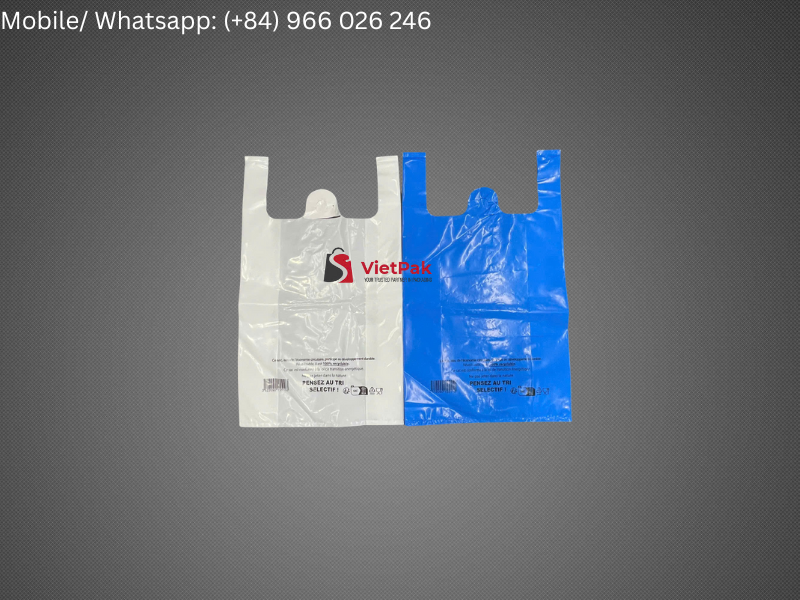
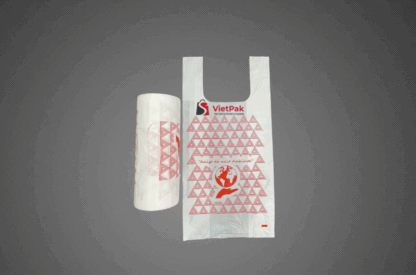
LDPE recycled t-shirt bag
What Is Recycled HDPE?
High-Density Polyethylene, or HDPE, is a denser and stiffer type of plastic compared to LDPE. Recycled HDPE is manufactured from collected HDPE plastic waste such as bottles, containers, and shopping bags.
Recycled HDPE bags are commonly used for:
- Supermarket shopping bags
- Grocery bags
- Produce bags
- Lightweight retail packaging
HDPE is known for its excellent tensile strength. Even at very thin thickness levels, HDPE bags can still carry relatively heavy products without breaking.
Because HDPE uses less material during production, it is often considered one of the most economical plastic bag materials in the packaging industry.
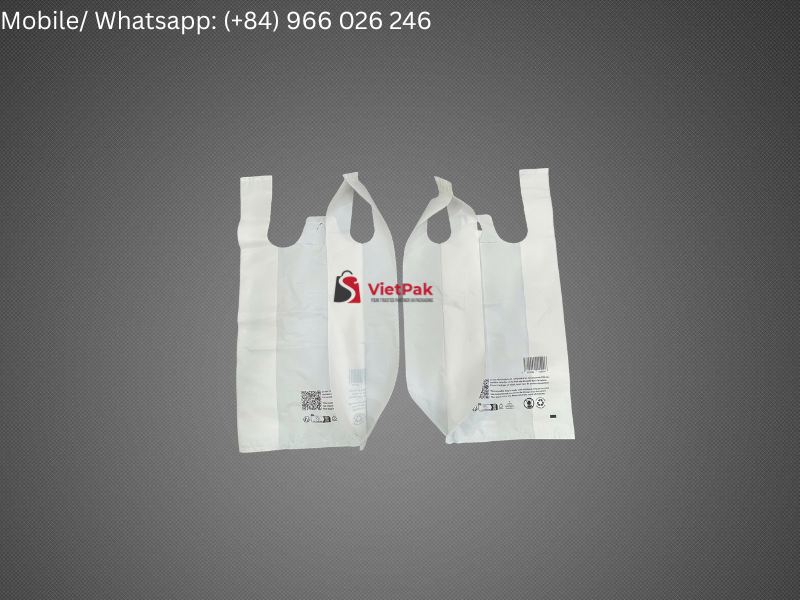
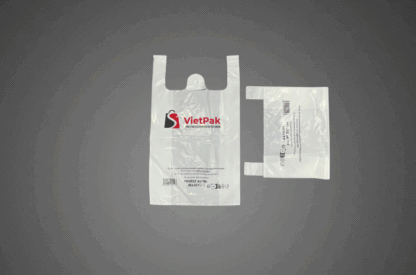
HDPE recycled t-shirt bag
The Main Difference Between Recycled LDPE and Recycled HDPE
The biggest difference between recycled LDPE and recycled HDPE is the material structure.
Recycled LDPE has a softer and more flexible structure, while recycled HDPE has a stiffer and more rigid structure.
This difference affects nearly every aspect of packaging performance including:
- Bag strength
- Flexibility
- Puncture resistance
- Transparency
- Printing quality
- Cost efficiency
- Product appearance
Although both materials are recyclable and widely used in the plastic packaging industry, they are designed for different applications.
Which Material Is Stronger?
Many people assume recycled HDPE is automatically stronger because HDPE grocery bags can carry heavy weight despite being extremely thin.
Technically, HDPE has higher tensile strength. This means it resists pulling force very effectively.
However, recycled LDPE often performs better in real-world situations involving stretching, sharp edges, or rough handling.
LDPE bags are less likely to puncture or split because the material can stretch under pressure instead of tearing immediately.
For example, recycled LDPE bags are usually preferred for industrial packaging, heavy products, or irregular-shaped items because they provide better flexibility and impact resistance.
HDPE works exceptionally well for lightweight retail packaging where cost reduction and low material consumption are priorities.
Printing Quality Comparison
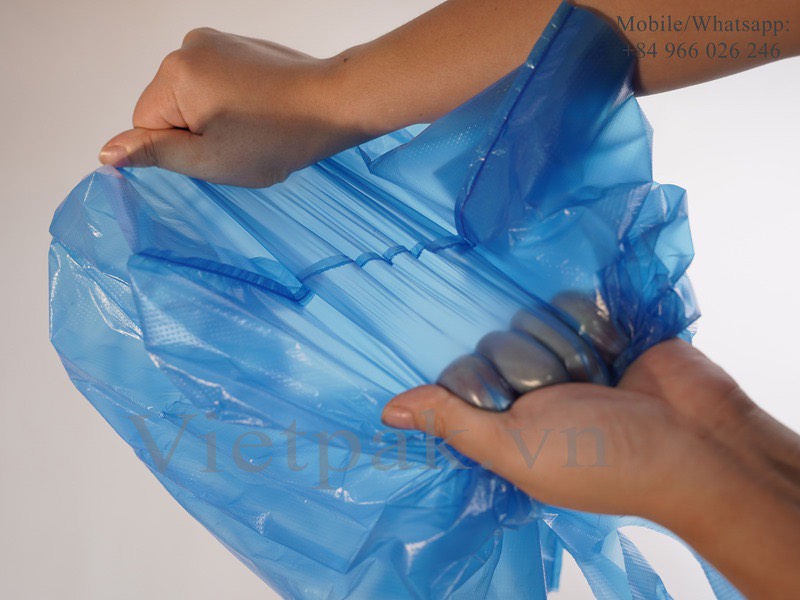
Printing quality is another major factor when choosing between recycled LDPE and recycled HDPE.
Recycled LDPE generally provides:
- Smoother surface
- Better gloss
- Stronger color appearance
- Higher-quality printing results
For companies that prioritize branding and premium packaging appearance, LDPE bags are often the preferred option.
Recycled HDPE typically has a more matte and rough surface texture. While HDPE printing can still look good, it usually does not achieve the same smooth visual finish as LDPE.
This is why many fashion brands, cosmetic companies, and premium retailers prefer recycled LDPE packaging for custom printed plastic bags.
Cost Comparison Between Recycled LDPE and Recycled HDPE
Cost is one of the most important considerations for packaging buyers.
Recycled HDPE is generally cheaper than recycled LDPE for several reasons.
First, HDPE bags can achieve sufficient strength at thinner thickness levels, reducing raw material usage.
Second, recycled HDPE resin is often more available in global recycling systems.
Third, HDPE production is highly optimized for large-scale retail packaging applications.
Because of these factors, recycled HDPE remains extremely popular for supermarket bags and mass-market packaging.
Recycled LDPE usually costs more because thicker film is often required and the material is heavier.
However, many buyers accept the higher cost because LDPE offers better durability, stronger customer perception, and improved packaging performance.
Which Material Is More Eco-Friendly?
This is one of the most debated topics in the packaging industry.
Both recycled LDPE and recycled HDPE help reduce virgin plastic consumption and support circular economy initiatives.
However, sustainability is not determined only by the type of plastic material.
Several factors influence environmental impact, including:
- Recycled content percentage
- Bag thickness
- Number of reuse cycles
- Waste collection systems
- Transportation efficiency
- Recycling infrastructure
HDPE bags use less material because they are lightweight, which reduces overall resin consumption.
LDPE bags often last longer because they are more durable and resistant to tearing.
As global sustainability standards continue evolving, many retailers are now looking for packaging solutions that balance recycled content, durability, and cost efficiency.
Why Global Demand for Recycled Plastic Bags Is Increasing
Search demand for keywords such as:
- Recycled plastic bags
- Eco-friendly plastic bags
- Sustainable plastic packaging
- Recycled LDPE bags
- Recycled HDPE bags
- Custom printed recycled bags
- Vietnam plastic bag manufacturer
- Recycled shopping bags
Governments worldwide are introducing stricter environmental regulations, while consumers are becoming more environmentally conscious.
As a result, businesses are actively searching for reliable packaging suppliers that can provide high-quality recycled plastic packaging solutions.
Vietnam has become an important sourcing destination for recycled plastic bags because of its strong manufacturing capability, competitive pricing, and export experience.
At Vietpak, buyers from Europe, North America, Australia, and other international markets increasingly request recycled plastic bags with customized specifications, recycled content options, and export-standard quality.
Final Thoughts
There is no universal answer to whether recycled LDPE is better than recycled HDPE.
Each material offers different advantages depending on the intended application.
Recycled HDPE is ideal for lightweight, cost-effective retail packaging where material efficiency and low cost are priorities.
Recycled LDPE is often preferred for applications requiring flexibility, durability, puncture resistance, and premium appearance.
As sustainability trends continue shaping the global packaging industry, both recycled LDPE and recycled HDPE will remain important solutions for businesses seeking more environmentally responsible plastic packaging options.
Choosing the right material ultimately depends on product requirements, branding goals, packaging performance, and market expectations.
PRODUCT CATEGORIES
- BAGASSE PACKAGING
- ECO-FRIENDLY BAGS
- GARBAGE PLASTIC BAGS
- INDUSTRIAL PACKAGING
- MAILING BAG
- PLASTIC FOOD PACKAGING
- PLASTIC SHOPPING BAGS
- POLY APRON
- ZIPPER PLASTIC BAG
Lastest products

LAST NEWS
-
Are Bagasse Containers Microwave Safe?
May 6, 2026 -
What Is an LDPE Ice Bag?
March 5, 2026

Related news

LEADING MANUFACTURER
We are a premier plastic bag manufacturer based in Vietnam. Our dedicated team excels in crafting customized packaging solutions to precisely meet the needs of all customers
QUALITY CONTROL
We have a strict quality control system. Our bags are inspected before production, during production, and prior to loading into containers. Our priority is to minimize every defective goods before shipping to our customers
AMAZING SERVICE
Our enthusiastic customer service team always strives to respond to your emails as promptly as possible. We take pride in our ability to consistently deliver high-quality products on time, every time.