What Are The Common Sizes Of Plastic Ice Bags?
Plastic ice bags are available in a wide range of sizes to meet the needs of supermarkets, convenience stores, ice manufacturers, restaurants, seafood processors, and food distributors. Choosing the right bag size is important because it affects product presentation, handling, transportation costs, and customer convenience.
While manufacturers can produce fully customized dimensions, there are several standard sizes that are widely used around the world. This guide explains the most common plastic ice bag sizes, their typical dimensions, and how to choose the best option for your business.

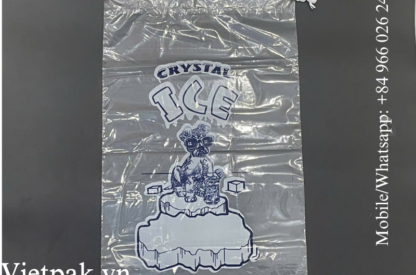
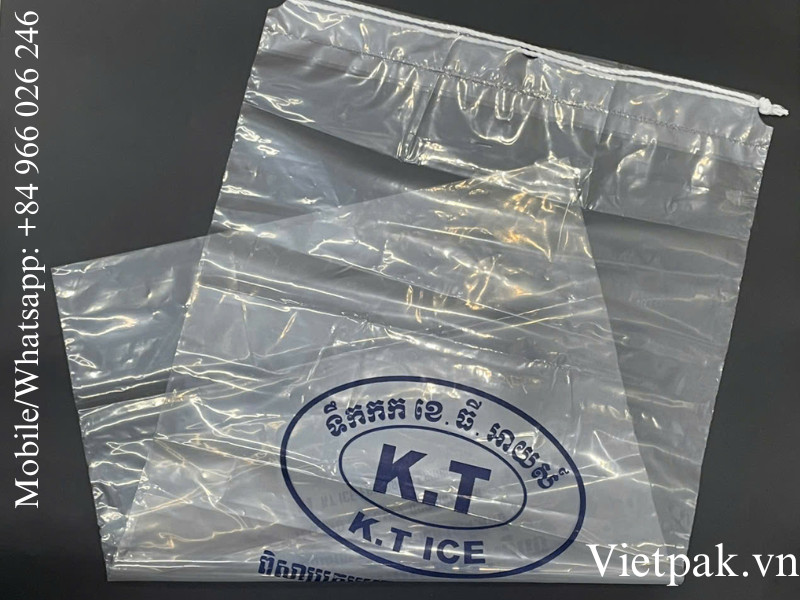
transparent plastic ice bag with cotton string
Why Does Ice Bag Size Matter?
Contents
The size of an ice bag determines how much ice it can hold, but it also influences the bag’s strength, storage efficiency, and retail appeal.
Selecting the appropriate size helps:
- Improve product appearance
- Reduce packaging waste
- Prevent bag breakage
- Optimize shipping costs
- Meet customer expectations
- Maximize freezer space
For commercial ice producers, choosing the correct bag dimensions can also improve production efficiency by reducing material consumption while maintaining sufficient strength.
Most Common Plastic Ice Bag Sizes
Although dimensions vary slightly among manufacturers, most plastic ice bags are designed based on weight capacity rather than exact measurements.
1. 5 lb Ice Bags
The 5-pound bag is one of the most popular retail sizes.
Typical dimensions:
- Width: 250–280 mm (10–11 inches)
- Length: 450–500 mm (18–20 inches)
- Thickness: 30–40 microns
Common applications:
- Convenience stores
- Small supermarkets
- Home use
- Camping
- Picnics
- Small parties
These bags are lightweight, easy to carry, and suitable for everyday consumers.
2. 8 lb Ice Bags
An 8-pound bag provides a balance between portability and storage capacity.
Typical dimensions:
- Width: 280–300 mm (11–12 inches)
- Length: 500–550 mm (20–22 inches)
- Thickness: 35–45 microns
Suitable for:
- Grocery stores
- Hotels
- Restaurants
- Beverage retailers
3. 10 lb Ice Bags
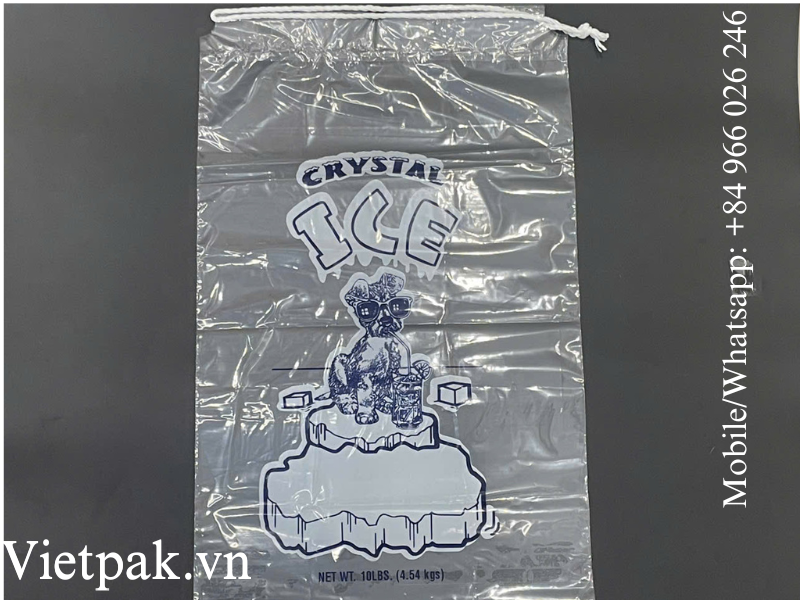
The 10-pound bag is among the most commonly used commercial ice bag sizes.

10lbs ice bag
Typical dimensions:
- Width: 300–330 mm (12–13 inches)
- Length: 550–600 mm (22–24 inches)
- Thickness: 35–50 microns
Ideal for:
- Retail ice sales
- Ice vending machines
- Convenience stores
- Food service
Many packaged ice companies choose this size because it offers a good balance between volume and ease of handling.
4. 16 lb Ice Bags
Larger retail and commercial operations often use 16-pound bags.
Typical dimensions:
- Width: 350–380 mm (14–15 inches)
- Length: 650–700 mm (26–28 inches)
- Thickness: 40–60 microns
Applications include:
- Wholesale distribution
- Hotels
- Catering companies
- Seafood transportation
The thicker film helps prevent punctures caused by larger ice cubes.
5. 20 lb Ice Bags
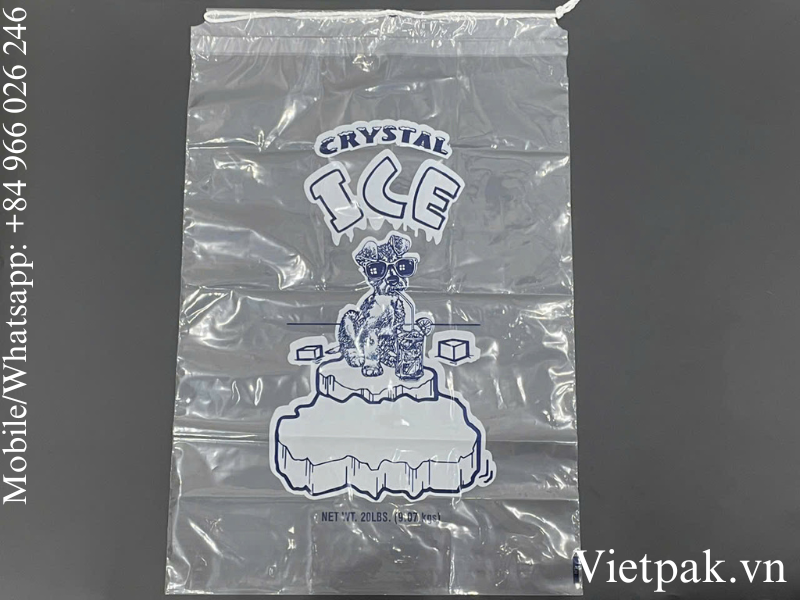
The 20-pound ice bag is widely used in commercial and industrial applications.

20lbs ice bag
Typical dimensions:
- Width: 380–450 mm (15–18 inches)
- Length: 700–800 mm (28–32 inches)
- Thickness: 45–70 microns
Common users include:
- Ice manufacturing plants
- Seafood exporters
- Commercial kitchens
- Food processing companies
- Large supermarkets
These bags require stronger seals and thicker plastic to safely support the heavier load.
Common Plastic Ice Bag Size Chart
| Ice Capacity | Typical Dimensions (W × L) | Recommended Thickness |
|---|---|---|
| 5 lb | 250–280 × 450–500 mm | 30–40 microns |
| 8 lb | 280–300 × 500–550 mm | 35–45 microns |
| 10 lb | 300–330 × 550–600 mm | 35–50 microns |
| 16 lb | 350–380 × 650–700 mm | 40–60 microns |
| 20 lb | 380–450 × 700–800 mm | 45–70 microns |
These dimensions are industry averages. Actual specifications may vary depending on the manufacturer, ice type, and customer requirements.
Can Plastic Ice Bags Be Customized?
Yes. Most plastic ice bag manufacturers offer custom-made bags to meet specific market or branding requirements.
Customization options typically include:
- Custom width and length
- Film thickness
- Bottom seal or side seal design
- Drawstring or wicketed bags
- Ventilation holes (if required)
- Easy-carry handles
- High-clarity or tinted film
- Custom printing with logos and product information
Custom sizing is especially beneficial for companies that sell specialty ice products or have automated filling equipment.
Choosing the Right Thickness
Bag thickness is just as important as bag size. A bag that is too thin may tear during filling or transportation, while an overly thick bag increases packaging costs unnecessarily.
General recommendations include:
- 30–35 microns: Suitable for 5 lb bags and light-duty applications.
- 35–45 microns: Ideal for 8–10 lb retail ice bags.
- 45–60 microns: Recommended for 16 lb commercial bags.
- 60–70 microns: Best for 20 lb bags and heavy-duty industrial use.
The optimal thickness also depends on the shape of the ice. Sharp-edged crushed ice may require thicker film than smooth cube ice.
Factors to Consider When Selecting Ice Bag Sizes
Before choosing a bag size, consider the following:
Target Market
Retail consumers typically prefer smaller bags (5–10 lb), while restaurants, hotels, and distributors often purchase larger sizes (16–20 lb).
Filling Equipment
Automatic ice bagging machines are designed to work with specific bag dimensions. Ensure your bag size matches your equipment to maintain efficient production.
Transportation and Storage
Larger bags reduce packaging costs per pound of ice but are heavier and require more storage space. Smaller bags are easier to handle and stack.
Branding
Larger bags provide more surface area for logos, product information, barcodes, and promotional graphics, making them more effective for retail marketing.
Food-Grade Materials for Ice Bags
Because ice is intended for human consumption, plastic ice bags should be manufactured from food-grade materials such as virgin LDPE or LLDPE.
These materials provide:
- Excellent clarity
- Strong puncture resistance
- Good flexibility at freezing temperatures
- Leak-resistant seals
- Compliance with food-contact standards in many markets
Using high-quality materials also helps maintain bag integrity during storage, transportation, and handling.
Conclusion
The most common plastic ice bag sizes are 5 lb, 8 lb, 10 lb, 16 lb, and 20 lb, each designed to meet different retail and commercial needs. While these standard capacities are widely used, many manufacturers also provide custom dimensions, thicknesses, and printing options to match specific applications.
When selecting the right plastic ice bag, consider not only the weight capacity but also the film thickness, intended use, filling equipment, and branding requirements. Partnering with an experienced manufacturer can help ensure you receive durable, food-grade ice bags that protect your product, enhance your brand, and perform reliably throughout the cold chain.
PRODUCT CATEGORIES
- BAGASSE PACKAGING
- ECO-FRIENDLY BAGS
- GARBAGE PLASTIC BAGS
- INDUSTRIAL PACKAGING
- MAILING BAG
- PLASTIC FOOD PACKAGING
- PLASTIC SHOPPING BAGS
- POLY APRON
- ZIPPER PLASTIC BAG
Lastest products
LAST NEWS
-
What Are The Common Sizes Of Plastic Ice Bags?
July 1, 2026 -

Are Bagasse Containers Microwave Safe?
May 6, 2026

Related news
LEADING MANUFACTURER
We are a premier plastic bag manufacturer based in Vietnam. Our dedicated team excels in crafting customized packaging solutions to precisely meet the needs of all customers
QUALITY CONTROL
We have a strict quality control system. Our bags are inspected before production, during production, and prior to loading into containers. Our priority is to minimize every defective goods before shipping to our customers
AMAZING SERVICE
Our enthusiastic customer service team always strives to respond to your emails as promptly as possible. We take pride in our ability to consistently deliver high-quality products on time, every time.