

What is the process of making plastic bags?
Process of making plastic bags is a remarkable journey that transforms basic raw materials into versatile products we rely on daily. From grocery shopping to industrial packaging, plastic bags are integral to modern life, and their production requires precision and advanced technology. Understanding the process of plastic bags made reveals the complexity behind these seemingly simple items.
Overview of the process of making plastic bags
Contents
The process of plastic bags made is a multi-step operation that blends science, engineering, and environmental considerations. Below, we explore the intricate stages that bring these essential products to life.
Step 1: Raw material extraction
The process of making plastic bags starts with sourcing raw materials, primarily polyethylene, which is derived from crude oil or natural gas. These hydrocarbons are extracted from underground reserves through drilling wells, a process that demands precision to avoid environmental harm.
Leaks during extraction can disrupt ecosystems, so stringent safety measures are critical. Once extracted, the crude oil or gas is transported via pipelines to refineries. There, it undergoes heating and pressurization to isolate polyethylene chains, which are transformed into small resin pellets—the foundation of plastic bag production.
Refining is a pivotal part of the process of making plastic bags, as it determines the quality of the resin pellets. The hydrocarbons are separated into various densities levels to isolate the specific type of polyethylene suited for plastic bags. This step ensures the pellets are pure and capable of producing durable, high-quality films, setting the stage for the subsequent phases.
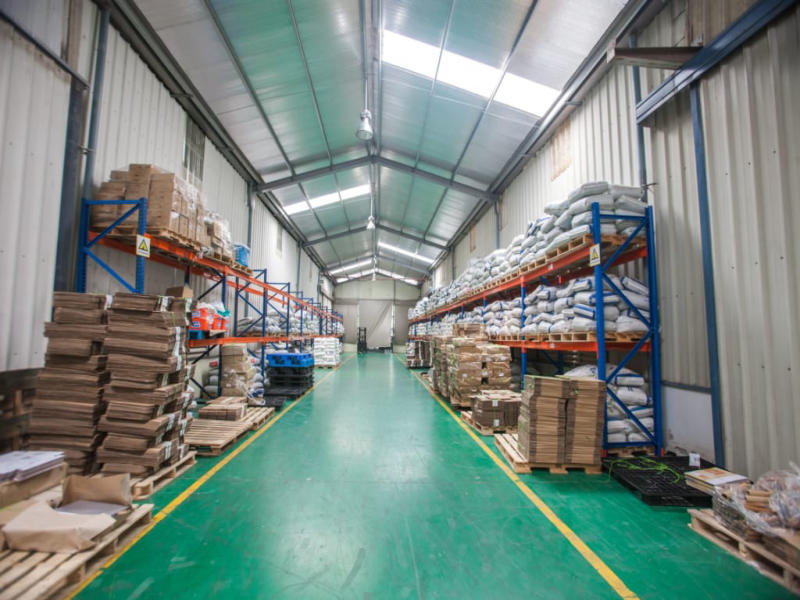
Drilling wells extract hydrocarbons for polyethylene production
Step 2: Film extrusion
The next phase in the process of plastic bags made is film extrusion, where resin pellets are converted into thin plastic films. The pellets are fed into an extruder, a machine equipped with a heating barrel that melts the pellets at temperatures between 200-300°C.
A rotating screw pushes the molten plastic through a circular die, forming a continuous tube or bubble. Air is injected into the tube to control its thickness, and the bubble rises upward to cool. Once cooled, the tube collapses into flat sheets, which are wound onto rolls for further processing.
Precision is crucial during extrusion to achieve uniform film thickness, which directly impacts the strength and functionality of the final product. Quality control checks are conducted to ensure the film meets industry standards, making this a critical checkpoint in the process of making plastic bags. Advanced machinery allows manufacturers to adjust the thickness based on the bag’s intended use, whether for heavy-duty trash bags or lightweight grocery bags.
Step 3: Conversion to plastic bags
The final stage of the process of plastic bags made involves transforming the plastic film into finished bags. The film is unwound from rolls and fed into cutting machines that shape it according to specific designs, such as retail bags with handles or industrial liners.
Specialized equipment creates features like gussets for added capacity or perforations for easy tearing. Heat sealing bonds the edges to form the bag’s structure, while printing machines add logos, branding, or recycling instructions. This stage allows for customization to meet diverse market needs.
Customization is a hallmark of the process of making plastic bags, enabling manufacturers to tailor products for specific purposes. For example, retail bags may feature vibrant designs, while industrial bags prioritize durability. Advanced printing technologies ensure high-quality visuals, enhancing both functionality and aesthetic appeal. This flexibility makes the process adaptable to various industries, from food service to waste management.
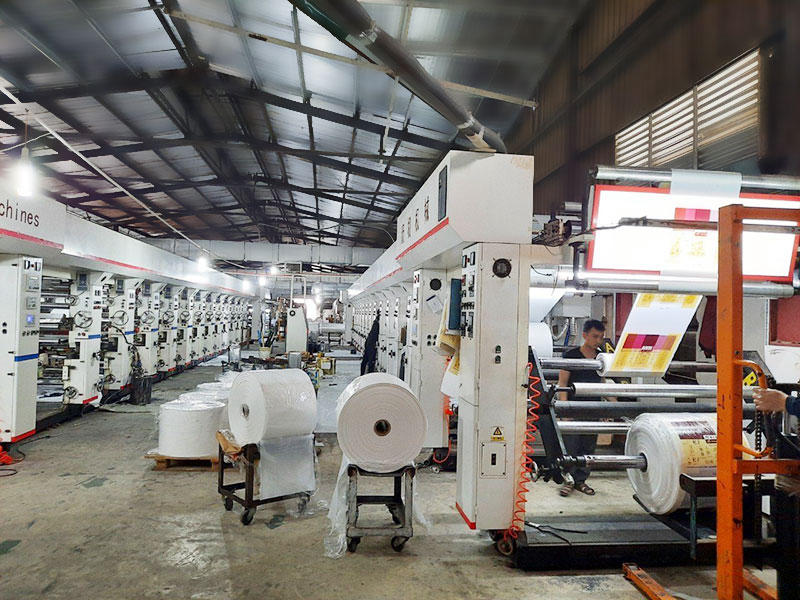
Plastic film is cut and sealed into functional bags
Innovations in the process of making plastic bags
As environmental concerns grow, the process of plastic bags made is evolving to prioritize sustainability. Manufacturers are adopting innovative techniques to reduce ecological impact while maintaining product quality.
Incorporating recycled materials
One significant advancement in the process of plastic bags made is the use of post-consumer recycled (PCR) resin. Unlike virgin resin, which requires resource-intensive extraction, PCR is derived from recycled plastics, such as used bottles or bags. The production process remains similar, but starting with recycled pellets reduces the demand for new raw materials and minimizes waste. PCR-based bags offer comparable strength and performance, making them a sustainable alternative that supports a circular economy.
Developing biodegradable and compostable bags
Another breakthrough in the process of making plastic bags is the production of biodegradable and compostable options. These bags incorporate additives that accelerate decomposition, reducing their environmental footprint. The manufacturing process mirrors traditional methods but uses specialized resins that break down more quickly in natural conditions. This innovation addresses consumer demand for eco-friendly products and aligns with global sustainability goals.
Challenges and solutions in the process of plastic bags made
The process of plastic bags faces challenges, including high energy consumption, environmental concerns, and cost pressures. Extraction and refining are resource-intensive, and improper disposal of plastic waste contributes to pollution. However, manufacturers are addressing these issues through technological advancements and sustainable practices.
Mitigating environmental impact
To make the process of making plastic bags more sustainable, companies are adopting renewable energy sources, such as solar or wind power, to run production facilities. Additionally, some are developing compostable materials that decompose without harming the environment. These efforts reduce the carbon footprint of the process and respond to growing consumer awareness of environmental issues.
Balancing cost and quality
Another challenge is balancing cost with quality. While eco-friendly materials like PCR or biodegradable resins can be more expensive, advancements in manufacturing efficiency are helping to lower costs. By investing in modern machinery and optimizing production, manufacturers ensure that sustainable bags remain affordable without compromising durability.

Challenges and solutions in the process of plastic bags made
Global impact of the process of plastic bags made
The process of plastic bags made has a global reach, with manufacturers supplying products to diverse markets, from retail to industrial sectors. The demand for plastic bags remains high due to their versatility, but the industry is under pressure to innovate. By adopting sustainable practices, manufacturers can meet consumer expectations while contributing to environmental preservation.
The shift toward recycled and biodegradable materials in the process of making plastic bags supports a circular economy, where products are reused and repurposed rather than discarded. This approach not only reduces waste but also fosters innovation in material science, paving the way for more sustainable packaging solutions worldwide.
Conclusion
Process of making plastic bags is a dynamic blend of technology, precision, and sustainability. From raw material extraction to the creation of eco-friendly alternatives, each step reflects a commitment to quality and environmental responsibility. As the industry evolves, innovations like recycled resins and biodegradable materials are shaping a greener future. The process of plastic bags made will continue to adapt, balancing functionality with sustainability to meet the needs of a changing world.
PRODUCT CATEGORIES
- BAGASSE PACKAGING
- ECO-FRIENDLY BAGS
- GARBAGE PLASTIC BAGS
- INDUSTRIAL PACKAGING
- MAILING BAG
- PLASTIC FOOD PACKAGING
- PLASTIC SHOPPING BAGS
- POLY APRON
- ZIPPER PLASTIC BAG
Lastest products



LAST NEWS
-

Are Bagasse Containers Microwave Safe?
May 6, 2026 -

What Is an LDPE Ice Bag?
March 5, 2026


Related news

LEADING MANUFACTURER
We are a premier plastic bag manufacturer based in Vietnam. Our dedicated team excels in crafting customized packaging solutions to precisely meet the needs of all customers
QUALITY CONTROL
We have a strict quality control system. Our bags are inspected before production, during production, and prior to loading into containers. Our priority is to minimize every defective goods before shipping to our customers
AMAZING SERVICE
Our enthusiastic customer service team always strives to respond to your emails as promptly as possible. We take pride in our ability to consistently deliver high-quality products on time, every time.