

LDPE Recycled Plastic Bag – Solution For Modern Needs
LDPE recycled plastic bags are a game-changer in sustainable packaging. Made from low-density polyethylene, it combines flexibility with environmental benefits. Recycling these bags reduces landfill waste significantly. This article explores their importance, recycling process, and future potential.
Introduction to LDPE recycled plastic bag
Contents
Low-density polyethylene (LDPE) is a highly adaptable thermoplastic recognized for its pliability, durability, and excellent moisture resistance. Commonly used in grocery bags, food wraps, and packaging films, recycling LDPE plastic bags transform waste into valuable resources. Understanding its properties is key to appreciating its role in sustainable practices. Recycling LDPE not only conserves resources but also addresses the growing issue of plastic pollution.
LDPE’s lightweight and durable nature makes it ideal for everyday use. However, its widespread use contributes to significant waste, making recycling critical. By repurposing LDPE recycled plastic bags, we reduce environmental harm and promote a circular economy. This article delves into the recycling process and its broader implications.
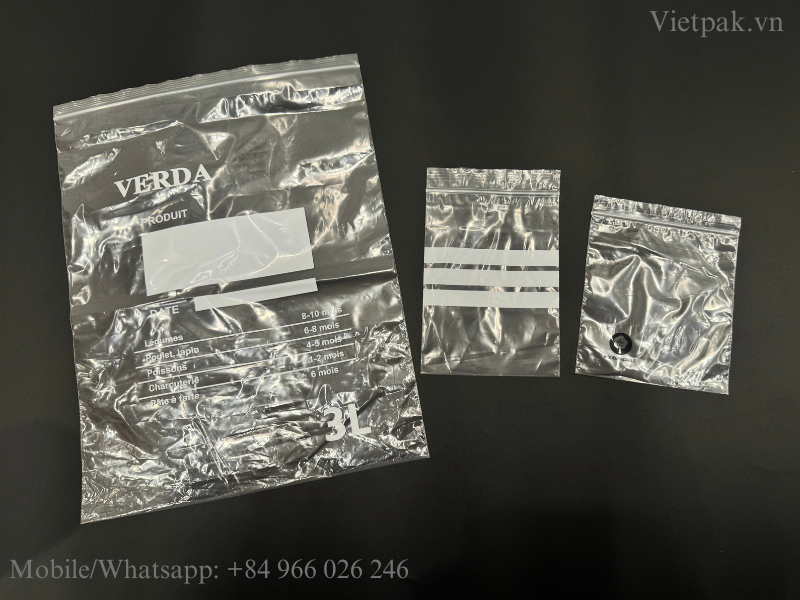
Why recycling LDPE plastic bags matters
The importance of recycling cannot be overstated in today’s world. recycling LDPE plastic bags plays a pivotal role in reducing plastic waste. The environmental benefits are substantial, from conserving raw materials to cutting down greenhouse gas emissions. Recycling one ton of LDPE can save thousands of liters of oil and reduce landfill pressure.
Economically, LDPE recycled plastic bag offer businesses cost-effective solutions. Recycled materials can be cheaper than virgin plastic, and with growing consumer demand for sustainable products, companies using recycling LDPE plastic bags gain a competitive edge. Additionally, recycling supports local economies by creating jobs in collection and processing sectors.
Recycling LDPE is not just about waste management; it’s about rethinking resource use. By prioritizing recycling LDPE plastic bags, industries can contribute to a cleaner planet while meeting market demands for eco-friendly products.
The recycling process of LDPE plastic bags
The journey of an LDPE recycled plastic bag involves several meticulous steps. Understanding this process highlights the effort behind sustainable packaging. Each stage ensures that waste is transformed into usable material efficiently.
Collection and sorting of LDPE recycled plastic bag
The process begins with collecting LDPE waste from households, businesses, and recycling centers. Sorting is critical to separate recycling LDPE plastic bags from other plastics and contaminants like food residues. Advanced sorting technologies, such as optical scanners, help ensure purity, as mixed materials can compromise quality.
Proper sorting sets the foundation for high-quality recycled products. Without it, the recycling process risks producing substandard materials unfit for reuse.
Cleaning and shredding
After being sorted, LDPE waste undergoes a thorough cleaning process to eliminate contaminants, ensuring the quality of the recycled LDPE plastic bags. Once cleaned, the plastic is cut into small flakes to reduce its size and facilitate the melting process.
Shredding makes the material easier to process and ensures uniformity. Clean, shredded LDPE is the starting point for creating high-quality recycled products.
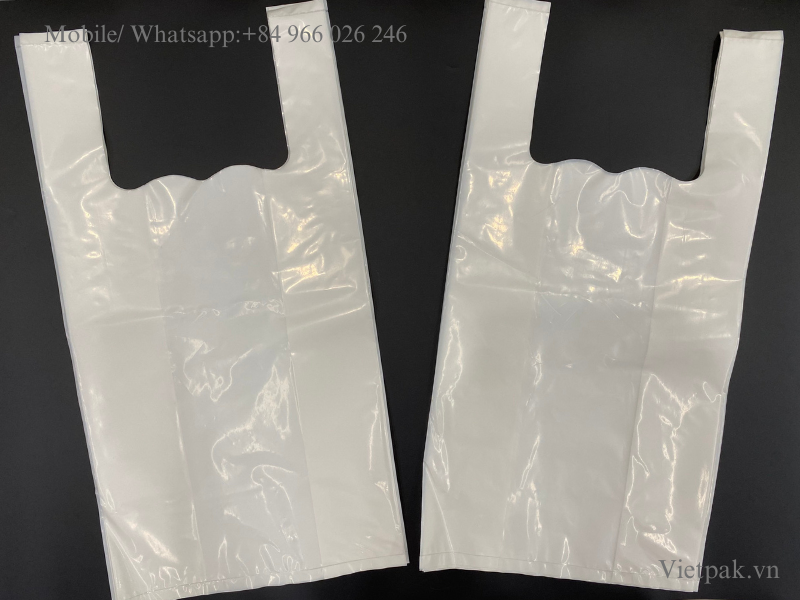
Melting and pelletizing
The shredded LDPE is then melted at precise temperatures to avoid degradation. This molten plastic is extruded into small pellets, which serve as the raw material for new LDPE recycled plastic bag products. Controlling the melting process is crucial to maintaining the plastic’s properties.
These pellets are versatile, enabling manufacturers to create a range of products, from bags to industrial films. The pelletizing stage bridges waste and new product creation.
Manufacturing new products
Finally, the LDPE pellets are molded or extruded into new items, such as recycling LDPE plastic bags, piping, or even furniture. Additives may be introduced to enhance strength or color, ensuring the final product meets specific requirements. This stage completes the transformation from waste to resource.
The manufacturing process showcases the potential of recycling to create functional, sustainable products. It’s a testament to the value of recycling LDPE plastic bags in modern industries.
Challenges in recycling LDPE plastic bags
Recycling LDPE presents unique hurdles that must be addressed. These challenges impact the efficiency and scalability of producing LDPE recycled plastic bags. Awareness of these issues is the first step toward overcoming them.
Contamination issues
Contamination, such as food residues or mixed plastics, is a major barrier. Contaminated LDPE reduces the quality of recycling LDPE plastic bags and can render it unusable. Effective cleaning and sorting systems are essential to mitigate this issue, but they require significant investment.
Public participation in proper waste disposal also plays a role. Educating consumers about cleaning LDPE waste before recycling can improve outcomes.
Economic barriers
The cost of recycling LDPE often exceeds the value of the recycled material. Collecting, sorting, and processing recycling LDPE plastic bags demands advanced infrastructure, which can be expensive. Small-scale recyclers may struggle to compete with virgin plastic prices.
However, rising demand for sustainable products is shifting the economic landscape. Innovations in recycling technology are making recycling LDPE plastic bags more cost-competitive.
Strategies to enhance LDPE recycling
To boost recycling rates, targeted strategies are needed. These solutions focus on improving infrastructure, awareness, and technology for LDPE recycled plastic bag production.
- Expanding access to recycling programs is critical. Curbside collection, drop-off points, and incentives for recycling can increase the supply of recycling LDPE plastic bags materials. Collaboration between governments and businesses can streamline these systems.
- Raising awareness about recycling benefits encourages participation. Campaigns highlighting the value of LDPE recycled plastic bag can motivate consumers to sort waste properly. Schools and community programs can foster a culture of sustainability.
- Advancements in recycling technology, such as chemical recycling, can improve LDPE processing. These innovations produce higher-quality recycling LDPE plastic bags and reduce contamination risks. Investing in research ensures long-term sustainability.
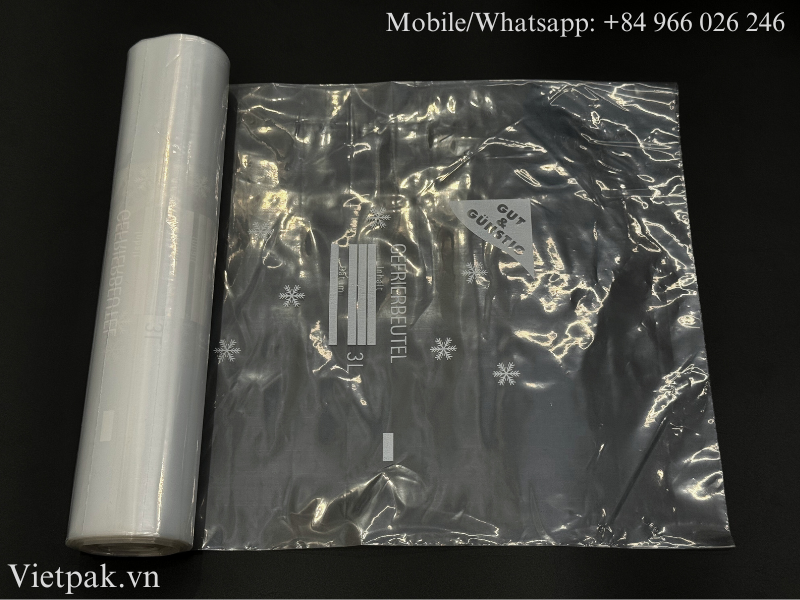
The role of businesses in promoting LDPE recycled plastic bag
Businesses are pivotal in advancing the use of recycling LDPE plastic bags. Their actions can drive industry-wide change and promote sustainability.
- Companies can implement in-house recycling initiatives to manage LDPE waste. By prioritizing recycling LDPE plastic bags, businesses demonstrate environmental responsibility and reduce operational waste.
- Collaborating with specialized recyclers ensures efficient processing of LDPE waste. These partnerships provide businesses with high-quality LDPE recycled plastic bag materials, supporting sustainable production cycles.
- Businesses can innovate by designing new products with recycling LDPE plastic bags, from eco-friendly packaging to durable goods. This not only reduces waste but also appeals to environmentally conscious consumers.
Conclusion
LDPE recycled plastic bags are a cornerstone of sustainable packaging. By embracing recycling, we reduce waste and conserve resources effectively. Businesses and consumers alike must champion these efforts. Together, we can build a future where recycling LDPE plastic bags thrives in a circular economy.
Read also: Recycle Plastic Mailing Bag – Eco-Friendly Packaging
PRODUCT CATEGORIES
- APRON
- ECO-FRIENDLY BAGS
- GARBAGE PLASTIC BAGS
- INDUSTRIAL PACKAGING
- MAILING BAG
- PLASTIC FOOD PACKAGING
- PLASTIC SHOPPING BAGS
- ZIPPER PLASTIC BAG
Lastest products





LAST NEWS
-

Cheap Polyethylene Plastic Bags For Sales
June 21, 2025 -

Can You Defrost Meat In A Ziploc Bag In The Microwave?
June 20, 2025 -

5 Facts About Compostable Bags Every One Should Know
June 20, 2025


Related news
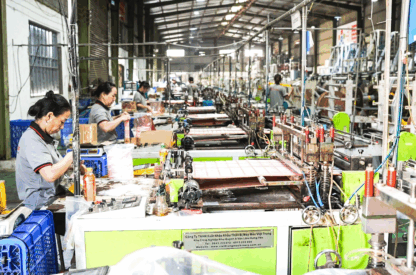
LEADING MANUFACTURER
We are a premier plastic bag manufacturer based in Vietnam. Our dedicated team excels in crafting customized packaging solutions to precisely meet the needs of all customers
QUALITY CONTROL
We have a strict quality control system. Our bags are inspected before production, during production, and prior to loading into containers. Our priority is to minimize every defective goods before shipping to our customers
AMAZING SERVICE
Our enthusiastic customer service team always strives to respond to your emails as promptly as possible. We take pride in our ability to consistently deliver high-quality products on time, every time.