

How Reciprocal Tax Hits Plastic Bag Suppliers in Vietnam
In the ever-evolving landscape of international trade, reciprocal tax policies are increasingly becoming a point of tension — and plastic bag suppliers in Vietnam are not immune. As Vietnam grows into a key exporter of plastic products, including packaging and bags, understanding the impact of reciprocal taxes is essential for both manufacturers and global buyers.
Let’s explore what reciprocal tax is, the current situation between the U.S. and other countries, and how it affects plastic bag manufacturers in Vietnam.
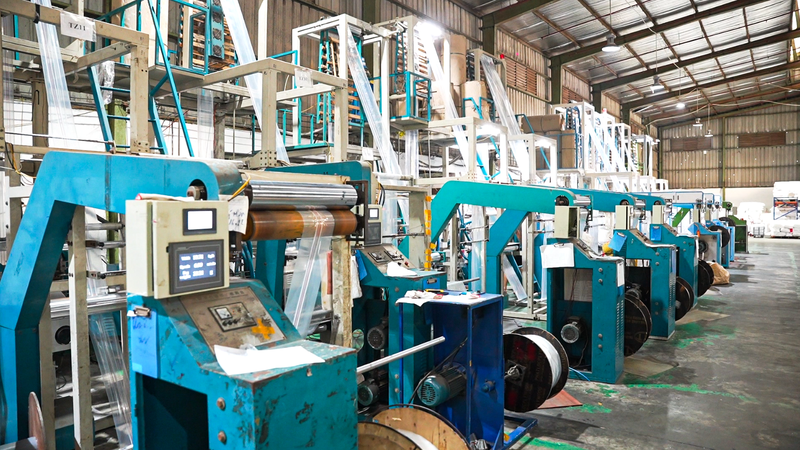
plastic bag suppliers in Vietnam
What Is Reciprocal Tax?
Contents
A reciprocal tax is a trade policy that imposes tariffs or import duties on goods from another country based on how that country taxes imports from the origin nation. In simple terms: If you tax our products, we’ll tax yours the same way.
The goal behind reciprocal taxation is to balance trade relationships and promote fairness. However, this approach can escalate trade barriers and costs — especially for industries relying on cross-border supply chains.
Who’s Taxing Who?
The United States has often pushed for “reciprocal trade,” especially with countries it perceives to have unfair tariff practices. Here’s a snapshot:
-
U.S. to Other Countries: The U.S. applies a standard tariff rate based on the Harmonized Tariff Schedule (HTS). For plastic bags under HS code 3923, the rate is typically 20% from Vietnam and 30% from China, but this may rise depending on trade disputes or special duties.
-
Other Countries to the U.S.: Countries like Vietnam may face generalized system of preferences (GSP) tariffs, or, if not eligible, standard Most Favored Nation (MFN) rates ranging from 5-15% for plastic packaging products.
The issue arises when the U.S. feels other countries impose higher tariffs on American goods compared to what the U.S. imposes in return — triggering discussions on adjusting tariffs reciprocally.
Pros and Cons of Reciprocal Tax Policies
✅ Pros:
-
Encourages fair trade between countries.
-
Can pressure trading partners to reduce their own tariffs.
-
Protects domestic manufacturers from being undercut by low-cost imports.
❌ Cons:
-
Raises the cost of imported goods, affecting manufacturers.
-
Can lead to retaliatory tariffs, worsening trade relationships.
-
Increases uncertainty for exporters, especially small and medium businesses.
For plastic bag suppliers in Vietnam, the biggest downside is the uncertainty of pricing and the risk of losing competitive edge due to increased tariffs when exporting to the U.S. or other Western markets.
Vietnam–U.S. Plastic Trade at a Glance
Vietnam is a growing manufacturing hub for flexible plastic packaging, with major exports to the U.S., Europe, and Japan.
Key Facts:
-
In 2024, Vietnam exported over $1.2 billion worth of plastic products to the U.S., including shopping bags, trash bags, and packaging.
-
The U.S. is among the top three destinations for Vietnam’s plastic bag exports.
-
Vietnam imports significant amounts of plastic resin (especially LDPE and LLDPE) from the U.S. and the Middle East for domestic production.
This two-way trade highlights the interdependence between the two countries. However, if tariffs increase due to reciprocal tax policies, it can reduce margins and shift demand to suppliers in countries with more favorable trade terms.
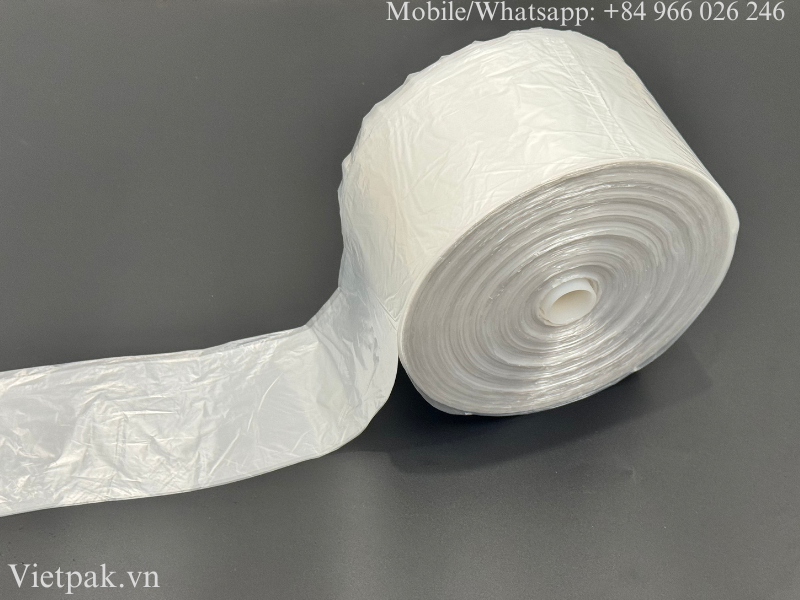
starseal plastic bag export to USA
How Does the Reciprocal Tax Affect Plastic Bag Suppliers in Vietnam?
1. Rising Export Costs
If the U.S. imposes higher tariffs on Vietnamese plastic bags in response to unbalanced duties, it directly raises the landed cost of Vietnamese products — making them less attractive to American buyers.
2. More Complex Compliance
Plastic bag suppliers in Vietnam must adapt to changing documentation, tariff codes, and customs procedures, increasing operational overhead.
3. Shift in Material Sourcing
To avoid higher duties on finished goods, many Vietnamese plastic manufacturers now import raw materials like resin directly from the U.S. This approach helps them qualify for “origin-based” duty exemptions under certain free trade rules, reducing the net effect of reciprocal tax penalties.
4. Threat to Price Competitiveness
In highly price-sensitive markets like plastic bags, even a 5-10% increase due to tariffs can shift demand to competitors in Indonesia, India, or domestic U.S. suppliers.
Can Vietnamese Suppliers Avoid the Tax?
While there’s no magic trick to eliminate reciprocal tariffs, smart sourcing and trade compliance can help reduce their impact. Here’s how some plastic bag suppliers in Vietnam are handling it:
-
Importing raw materials from the U.S.: By using U.S.-origin plastic resin, suppliers may benefit from more favorable origin rules under trade agreements.
-
Leveraging ASEAN and CPTPP trade pacts: Selling to other countries with better tariff terms.
-
Negotiating FOB (Free On Board) contracts: To shift part of the duty burden to buyers in certain markets.
-
Customs classification planning: Carefully selecting HS codes that fall under lower tariff brackets or are excluded from reciprocal hikes.
Reciprocal tax policies are shaping the way countries trade — and plastic bag suppliers in Vietnam need to stay proactive. While tariffs may fluctuate, strategic sourcing, good trade relationships, and adaptive logistics can keep Vietnam competitive in the global plastic bag market.
As buyers look for reliable and cost-effective alternatives to Chinese manufacturing, Vietnam remains a top contender — provided that suppliers continue innovating around trade obstacles.
PRODUCT CATEGORIES
- BAGASSE PACKAGING
- ECO-FRIENDLY BAGS
- GARBAGE PLASTIC BAGS
- INDUSTRIAL PACKAGING
- MAILING BAG
- PLASTIC FOOD PACKAGING
- PLASTIC SHOPPING BAGS
- POLY APRON
- ZIPPER PLASTIC BAG
Lastest products

LAST NEWS
-

Top Disposable Poly Apron Manufacturer In Vietnam-Discover Vietpak
November 13, 2025 -

Top HDPE Glove Manufacturer In Vietnam-Vietpak
October 29, 2025 -
5 Tips to Buy Plastic Bag on Roll at a Lower Cost
October 10, 2025 -
Top Plastic Bag Factory in Vietnam: Exploring Vietpak
October 8, 2025

Related news


LEADING MANUFACTURER
We are a premier plastic bag manufacturer based in Vietnam. Our dedicated team excels in crafting customized packaging solutions to precisely meet the needs of all customers
QUALITY CONTROL
We have a strict quality control system. Our bags are inspected before production, during production, and prior to loading into containers. Our priority is to minimize every defective goods before shipping to our customers
AMAZING SERVICE
Our enthusiastic customer service team always strives to respond to your emails as promptly as possible. We take pride in our ability to consistently deliver high-quality products on time, every time.