

Micron Plastic|Guide To Thickness, Measurement And Safety
Micron plastic plays a pivotal role in industries ranging from packaging to manufacturing, where precise measurement of plastic thickness is critical. A micron, or micrometer (µm), is one-millionth of a meter, offering a precise way to gauge the thickness of plastic films, sheets, or coatings.

Understanding micron plastic
Contents
Micron plastic refers to plastic materials measured in micrometers, a unit ideal for assessing the thickness of thin films and sheets. One millimeter equals 1000 microns, allowing for precise measurements of materials too thin for standard rulers. For example, a plastic bag might be 30 microns thick, while industrial films could reach 200 microns. This precision is vital for ensuring materials meet specific performance requirements in various applications.
Why micron measurement matters
The thickness of a micron directly impacts its strength, flexibility, and durability. Thinner plastics, such as those at 10-20 microns, are lightweight and pliable, making them perfect for single-use packaging like grocery bags. Conversely, thicker plastics, around 100-200 microns, provide robustness for applications like protective covers or construction materials. By measuring in microns, manufacturers ensure consistency, which is critical for quality control and meeting industry standards.
Applications of micron plastic
Micronplastic is ubiquitous across industries. In food packaging, films of 20-50 microns offer flexibility and protection, keeping products fresh. In agriculture, thicker 150-200 micron plastics serve as durable greenhouse covers. The medical industry relies on micron for sterile packaging, typically 50-100 microns, to ensure safety and compliance. Even in retail, poster frames use 400-500 micron sheets for durability. Selecting the right micron thickness ensures optimal performance for each use case.
Quality control in manufacturing
In production, measuring micron plastic thickness ensures uniformity and quality. Variations in thickness can lead to weak spots or overly rigid materials, compromising functionality. Manufacturers use precise tools like micrometers to monitor thickness, ensuring products meet specifications. This process is critical for maintaining customer trust and adhering to regulatory standards, especially in sensitive industries like food and healthcare.

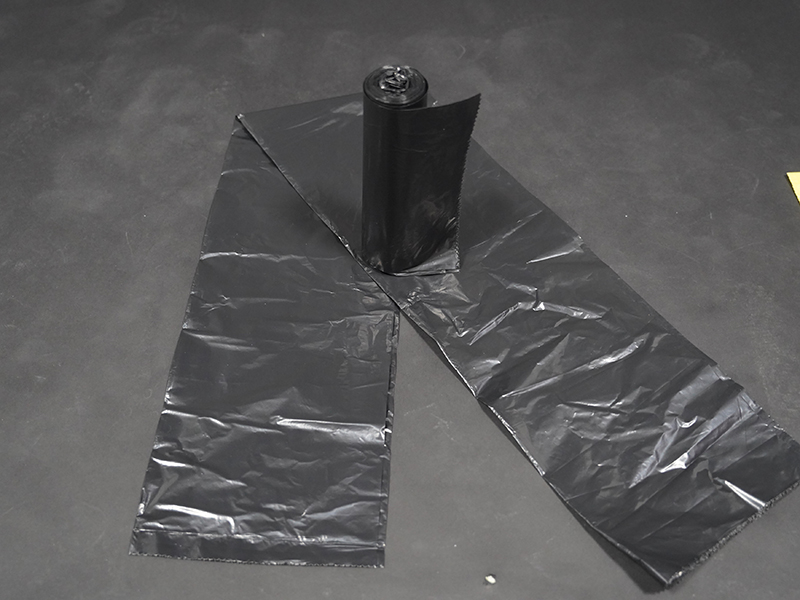
Close-up of a micronplastic film used in packaging
Measuring mils and micron plastic sheets
The thickness of plastic sheets significantly affects their properties, such as flexibility, strength, and rigidity. Accurate measurement of micronplastic is essential for ensuring materials perform as intended, particularly in applications like packaging, signage, or industrial covers.
Microns vs. mils – Understanding the difference
In the metric system, micron plastic is measured in micrometers, where 1 mm equals 1000 microns. For example, a 0.4 mm sheet is 400 microns. In the U.S., however, thickness is often expressed in mils, where 1 mil equals 1/1000 of an inch, or approximately 25.4 microns. A 500-micron sheet translates to about 20 mils. This distinction is crucial, as the term “mils” can be confused with “millimeters” in casual speech, leading to potential errors in international trade or manufacturing.
Tools for measuring micron
Measuring micronplastic requires precision tools like micrometers, as standard rulers are too coarse for such thin materials. For instance, a 400-micron (0.4 mm or 15.75 mils) sheet is flexible enough for small poster frames, while a 1000-micron (1 mm or 39.37 mils) sheet is rigid and requires flat shipping to prevent damage. Micrometers provide accurate readings, ensuring the material’s thickness aligns with its intended use, whether for lightweight packaging or sturdy protective covers.
Practical examples of thickness
To illustrate, a 400-micron micron plastic sheet (0.4 mm or 15.75 mils) is commonly used in poster frames like A3 or A4 snap frames due to its flexibility. A 500-micron sheet (0.5 mm or 20 mils) is ideal for larger A2 or A1 frames, offering a balance of durability and flexibility. Thicker sheets, like 1000 microns (1 mm or 39.37 mils), are rigid and used in applications requiring structural integrity, such as signage or protective panels. These examples highlight how micron measurements guide material selection.
Micrometer measuring a micronplastic sheet for accuracy.
Evaluating micron plastic safety
Safety is a paramount concern when using micronplastic in applications like food packaging, medical supplies, or consumer products. The thickness and material composition of plastics determine their suitability for specific uses, ensuring they meet safety and regulatory standards.
How to check micron thickness
To verify the thickness of micronplastic, use a micrometer to measure multiple points across the material. This ensures uniformity, as inconsistencies can weaken the plastic or affect its performance. For example, a 30-micron bag is suitable for lightweight items like produce, while a 100-micron bag can handle heavier groceries. Regular thickness checks during manufacturing help maintain quality and ensure the plastic performs as expected in real-world applications.
Safe thickness for food and medical use
Not all micron plastic is safe for every application. For food contact, plastics must be food-grade, typically 20-50 microns for bags to balance flexibility and safety. Medical-grade plastics, often 50-100 microns, must comply with strict regulations to prevent contamination and ensure patient safety. Certifications like FDA or EU food safety standards are essential when selecting micronplastic for these sensitive applications. Always verify the material’s compliance before use.
Environmental impact of micron
The environmental footprint of micronplastic is another safety consideration. Thinner plastics (10-30 microns) degrade faster but may lack durability, leading to increased waste. Thicker plastics (100+ microns) are more durable but harder to recycle, posing challenges for sustainability. Choosing the appropriate micron thickness can minimize environmental harm by balancing functionality with eco-friendly practices. Opting for recyclable or biodegradable plastics where possible further enhances safety and sustainability.

Food-safe micron plastic bag for secure storage
Micron plastic measurement is the cornerstone of quality and safety in plastic applications. From ensuring precise thickness for packaging to meeting stringent safety standards in medical use, microns guide material selection. By understanding and measuring micronplastic, industries can deliver reliable, safe, and sustainable products. Make informed choices to optimize performance while minimizing environmental impact.
PRODUCT CATEGORIES
- BAGASSE PACKAGING
- ECO-FRIENDLY BAGS
- GARBAGE PLASTIC BAGS
- INDUSTRIAL PACKAGING
- MAILING BAG
- PLASTIC FOOD PACKAGING
- PLASTIC SHOPPING BAGS
- POLY APRON
- ZIPPER PLASTIC BAG
Lastest products




LAST NEWS
-

Top Disposable Poly Apron Manufacturer In Vietnam-Discover Vietpak
November 13, 2025 -

Top HDPE Glove Manufacturer In Vietnam-Vietpak
October 29, 2025 -
5 Tips to Buy Plastic Bag on Roll at a Lower Cost
October 10, 2025 -

Top Plastic Bag Factory in Vietnam: Exploring Vietpak
October 8, 2025

Related news




LEADING MANUFACTURER
We are a premier plastic bag manufacturer based in Vietnam. Our dedicated team excels in crafting customized packaging solutions to precisely meet the needs of all customers
QUALITY CONTROL
We have a strict quality control system. Our bags are inspected before production, during production, and prior to loading into containers. Our priority is to minimize every defective goods before shipping to our customers
AMAZING SERVICE
Our enthusiastic customer service team always strives to respond to your emails as promptly as possible. We take pride in our ability to consistently deliver high-quality products on time, every time.