

Single-Use Plastic – Solutions For A Sustainable Future
Single-use plastic is everywhere, from coffee straws to grocery bags, shaping modern convenience. Yet, its environmental toll is immense, affecting ecosystems and human health. This article explores the impact of disposable plastic and practical solutions to curb their use. Join us in uncovering ways to foster a sustainable future.
What are single-use plastics?
Contents
Single-use plastics are items designed for one-time use before being discarded, often within minutes. Made primarily from fossil fuel-based chemicals, they include everyday items like bottles, bags, straws, and food packaging. These plastics became widespread in the 1970s when manufacturers shifted from paper and glass to cheaper, more durable plastic alternatives. Today, they dominate packaging, accounting for a significant portion of global plastic production.
Since the 1950s, over nine billion metric tons of plastic have been produced worldwide, with disposable plastic making up a large share. Unlike durable plastics used in medical equipment or infrastructure, disposable plastic prioritize convenience over longevity, contributing to a growing waste crisis.
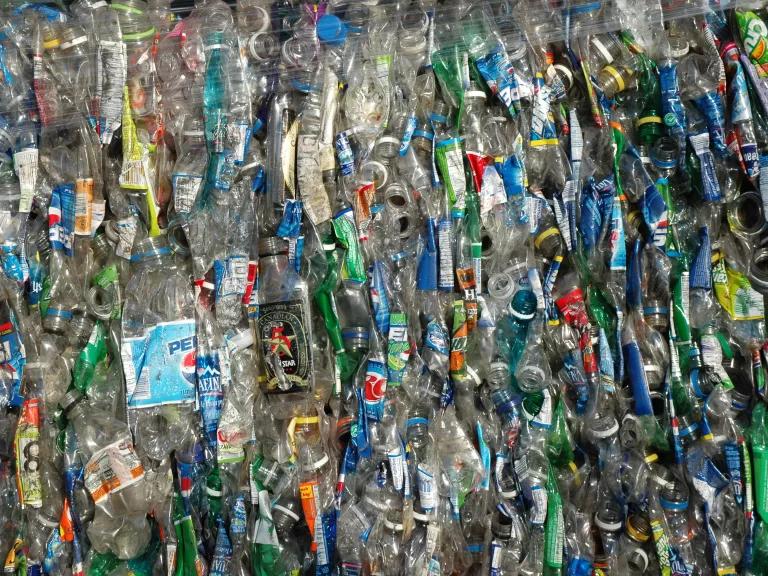
Plastic bottles pile up in a landfill, awaiting disposal
Why single-use plastics are a problem
The rise of disposable plastic has fueled a throwaway culture, where convenience overshadows sustainability. These items, designed for brief use, accumulate in landfills, oceans, and natural habitats, taking centuries to decompose. In 2019, global plastic production reached 460 million metric tons, with single-use plastics forming a significant portion. This waste overwhelms ecosystems and poses risks to wildlife and human health.
The environmental footprint of disposable plastics extends beyond waste. Their production relies on fossil fuels, emitting greenhouse gases at every stage, from extraction to disposal. This process exacerbates climate change, making disposable plastic a dual threat to both ecosystems and the planet’s climate.
Environmental impacts of single-use plastics
The environmental consequences of disposable plastic are profound, affecting land, water, and air. Plastic litter, including bottles, bags, and wrappers, is a common sight in urban and natural environments. These items often end up in rivers and oceans, where they break into smaller fragments known as microplastics.
Microplastics, particles smaller than 5 millimeters, are particularly harmful. They infiltrate water systems, soil, and even the air, impacting wildlife and human health. Marine animals, such as turtles and seabirds, often mistake plastic debris for food, leading to fatal blockages or starvation. Over 1,500 species are known to be affected by plastic ingestion or entanglement.

Microplastics scatter across a beach, blending with sand
Limited recycling and waste management
Recycling is often touted as a solution, but it falls short for single-use plastic. Only about 9% of all plastic produced is recycled, with most ending up in landfills or incinerators. Small items like straws and cutlery are particularly challenging to recycle due to their size and tendency to clog machinery. Many recycling facilities reject them outright, leaving them to pile up in waste streams.
In regions with limited waste management infrastructure, particularly in parts of Southeast Asia, disposable plastic waste is often dumped or burned, releasing toxic fumes. These practices not only pollute the environment but also pose health risks to nearby communities, including respiratory issues and increased cancer risks.
Health risks from single-use plastics
The health implications of disposable plastic are alarming, primarily due to microplastics and associated chemicals. When ingested, microplastics can accumulate in the human body, potentially causing hormonal imbalances, reproductive issues, and even cancer. Chemicals like phthalates, used to make plastics flexible, are known endocrine disruptors and have been linked to serious health concerns.
Recent studies have found microplastics in 90% of commonly consumed foods, with processed products showing higher contamination levels. The long-term effects of this exposure are still being researched, but the presence of plastics in our food chain is a growing concern.
Single-use plastics and climate change
The production of disposable plastic is deeply tied to fossil fuels, contributing significantly to greenhouse gas emissions. From oil extraction to manufacturing and disposal, the plastic lifecycle emits four times more emissions than the airline industry. If current trends continue, plastics could account for nearly 20% of the global carbon budget by 2050.
Incineration, often used to dispose of plastic waste, releases toxic pollutants into the air, disproportionately affecting marginalized communities near these facilities. The reliance on fossil fuels for single-use plastic production underscores the need for systemic changes to reduce its environmental impact.
Solutions to the disposable plastic crisis
Addressing the disposable plastic crisis requires collective action, from individual choices to global policies. Governments worldwide are implementing bans on items like plastic bags, straws, and cutlery, with over 12 U.S. states and numerous cities adopting such measures. These bans reduce waste and encourage companies to innovate with sustainable materials.
On a global scale, the 2022 UN Environment Assembly’s commitment to a legally binding plastics treaty by 2024 offers hope. This treaty aims to reduce plastic production, phase out toxic chemicals, and promote sustainable alternatives. Public support for these initiatives can amplify their impact, pushing for stricter regulations and corporate accountability.
Individual actions to reduce disposable plastic
Individuals play a crucial role in combating the single-use plastic crisis. Simple changes, like using reusable bags, bottles, and straws, can significantly reduce waste. Opting for bulk purchases, composting food waste, and avoiding plastic-heavy takeout containers are practical steps toward a plastic-free lifestyle.
Engaging with local businesses is another effective strategy. Encourage restaurants to offer non-plastic alternatives or support policies that promote sustainable packaging. By making mindful choices, individuals can drive demand for eco-friendly products and influence broader change.

Individual actions to reduce disposable plastic
Corporate responsibility and innovation
Major corporations, such as Coca-Cola and Nestlé, produce millions of tons of single-use plastic annually, contributing to global pollution. However, consumer pressure is prompting some companies to adopt sustainable practices, like using recyclable or compostable packaging. Policies like bottle bill laws, which incentivize recycling, can further encourage corporate accountability.
Innovative solutions, such as zero-waste stores and reusable packaging systems, are gaining traction. Supporting businesses that prioritize sustainability can shift market trends, reducing reliance on disposable plastic and fostering a circular economy.
Conclusion
Single-use plastic is a pressing global challenge, but change is possible through collective action. By supporting policies, making mindful choices, and demanding corporate accountability, we can reduce plastic waste. Every small step counts toward a cleaner, healthier planet. Let’s embrace sustainable alternatives for a brighter future.
Read more: Are garbage bags single-use plastic?
PRODUCT CATEGORIES
- BAGASSE PACKAGING
- ECO-FRIENDLY BAGS
- GARBAGE PLASTIC BAGS
- INDUSTRIAL PACKAGING
- MAILING BAG
- PLASTIC FOOD PACKAGING
- PLASTIC SHOPPING BAGS
- POLY APRON
- ZIPPER PLASTIC BAG
Lastest products





LAST NEWS
-

Top Disposable Poly Apron Manufacturer In Vietnam-Discover Vietpak
November 13, 2025 -

Top HDPE Glove Manufacturer In Vietnam-Vietpak
October 29, 2025 -
5 Tips to Buy Plastic Bag on Roll at a Lower Cost
October 10, 2025 -
Top Plastic Bag Factory in Vietnam: Exploring Vietpak
October 8, 2025

Related news



LEADING MANUFACTURER
We are a premier plastic bag manufacturer based in Vietnam. Our dedicated team excels in crafting customized packaging solutions to precisely meet the needs of all customers
QUALITY CONTROL
We have a strict quality control system. Our bags are inspected before production, during production, and prior to loading into containers. Our priority is to minimize every defective goods before shipping to our customers
AMAZING SERVICE
Our enthusiastic customer service team always strives to respond to your emails as promptly as possible. We take pride in our ability to consistently deliver high-quality products on time, every time.